Let’s continue our exploration of the Mediterranean Diet lifestyle, which nutritionists tell us is the healthiest way to eat. The diet, as we’ve discussed, is centered around colorful fruits, vegetables, beans, nuts, lentils and grains, along with olive oil and fish. So, let’s continue looking at healthy grains.
We’ve examined the bread that God instructed Ezekiel to make (Ezekiel 4:9), to provide sustenance during upcoming catastrophic events. God told Ezekiel to “take wheat and barley, beans and lentils, millet and spelt; put them in a storage jar and use them to make bread for yourself.”
We’ve explored wheat and millet. Now, let’s look at spelt and barley.
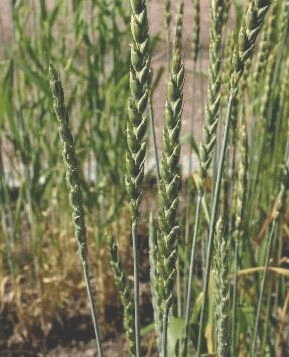
Spelt is an ancient variety of wheat. Along with Ezekiel 4:9, some of the earliest recordings of spelt appear in the Bible (Exodus 9:30, Isaiah 28:25). It’s widely believed that farmers grew spelt in Mesopotamia (now Iraq) as early as 5000 BC. As civilizations migrated westward, spelt moved along with them.
The grain is rich in protein, fiber and minerals (it has a higher content of zinc, copper and manganese than wheat) and although it is not gluten-free, its gluten structure differs from modern wheat and for people without celiac disease, may be easier to digest.
Spelt has a sweet, buttery, nutty flavor and is excellent in breads, cookies, pancakes, muffins and crackers. It can be cooked and used in grain salads and porridge.
You can find spelt flour in local specialty markets and it can be swapped 1:1 for wheat flour in your baking, although you may find you need to add a bit more liquid because it absorbs water more quickly than wheat.
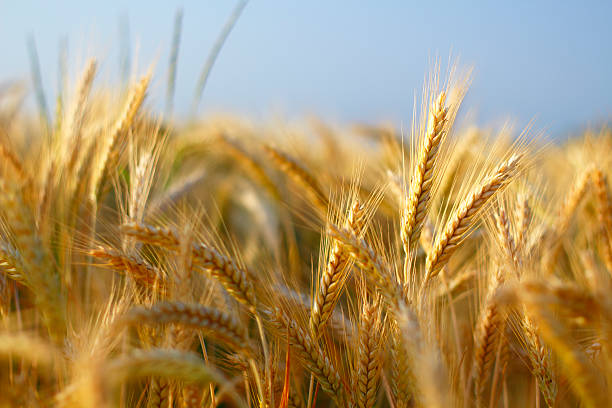
Barley is a grain that may already be in your diet. It was domesticated over 10,000 years ago in the Fertile Crescent (Syria, Lebanon, Israel, Palestine, Jordan, southeastern Turkey and western Iran) and was a primary food source for the ancient Egyptians, Greeks and Romans. Roman gladiators were known as hordearli (barley eaters) because the grain gave them sustained energy for combat. In ancient Mesopotamia it was used as a form of currency and it provided the basis for a measurement in 14th century England (three grains of uncooked, round barley placed end-to-end became the standard for an inch).
Barley, which does contain gluten, has a chewy texture and nutty flavor. It’s an excellent source of fiber, contains the cholesterol-lowering component beta-glucan and minerals such as selenium, magnesium and manganese. It’s also known to help manage blood sugar levels and may reduce our risk of developing Type 2 Diabetes.
This grain is used in soups, stews, salads and as a breakfast cereal. You may know that it’s a key ingredient in the production of beer and whiskey.
We can easily find barley in our favorite markets. It comes in many forms, but the one we find most often is pearl barley. This is barley that has been “pearled” to remove some or all of the outer brain layer along with the hull. It isn’t as nutritious as the hulled variety, but it cooks more quickly.
A wonderful way to enjoy barley in your Mediterranean Diet plan is to whip up a nutritious, satisfying pot of vegetable and barley soup. You’ll find lots of tantalizing recipes on the Internet!
Next time, we’ll continue our discussion of ancient grains by traveling to the New World, as we look at quinoa and amaranth!
 Marcia C McCormack, RN, BSN, PHN, FCN
Leave a comment