Let’s continue exploring the healthy Mediterranean diet lifestyle, which encourages building meals around colorful fruits and vegetables, beans, lentils, seeds, and grains. We’ve looked at ancient grains and pseudocereals from Biblical lands and the Americas—foods typically rich in protein, antioxidants, fiber, and minerals. Now, let’s turn to rice, the most widely consumed staple for more than half of the world’s population.
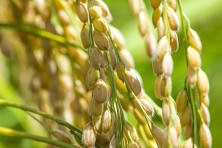
Rice is the edible starchy seed of a grass in the Poaceae family. It can grow up to six feet tall and thrives in flooded fields known as paddies. While naturally gluten-free, rice is primarily composed of carbohydrates, with only small amounts of protein.
A Brief History
Archaeological evidence traces Asian rice back 9,000–10,000 years to China’s Yangtze River basin. Initially gathered in the wild, it was cultivated on a large scale by around 5,000 BC. African rice, a separate species, was domesticated 3,000–3,500 years ago near the Niger River delta. In India’s Ganges Valley, wild rice was harvested as early as 7,000–5,000 BCE.
Types of Rice
With over 40,000 varieties, rice is generally classified by grain length:
- Long-grain (e.g., basmati, jasmine): light and fluffy when cooked
- Medium-grain (e.g., arborio, bomba): moist and slightly sticky
- Short-grain: round and sticky—ideal for sushi and rice pudding
Brown vs. White Rice
The nutritional value of rice depends on processing:
- Brown rice retains the bran and germ, making it rich in fiber, B vitamins, and minerals.
- White rice has these layers removed, leaving mostly starchy endosperm. While it has a longer shelf life, it’s less nutritious unless enriched.
- Parboiled (converted) rice is partially boiled in the husk, which helps preserve some nutrients.
So… Is Rice Healthy?
It depends on the type.
Whole-grain varieties that retain their bran and germ are the healthiest choices:
- Black/Purple Rice – exceptionally high in antioxidants, plus good fiber and protein
- Red Rice – rich in flavonoids, iron, and fiber
- Wild Rice – technically a water grass seed, high in protein, zinc, and antioxidants
- Brown Rice – a reliable staple for heart health and digestion due to fiber and magnesium
Refined white rice, by contrast, has a higher glycemic index and lower nutrient density, which may lead to quicker blood sugar spikes and less satiety.
Boosting Protein in Rice Dishes
Rice doesn’t have to be a low-protein food. Here are easy ways to improve its nutritional profile:
- Choose brown rice or whole-grain varieties when possible.
- Combine rice with protein-rich grains like quinoa, millet, or amaranth.
- Add beans, lentils, nuts, seeds, or tofu.
- Cook rice in chicken or turkey broth instead of water.
- Mix in small portions of chicken or seafood.
- Stir in scrambled eggs.
- Experiment with black, red, or wild rice for added nutrients.
QUICK BROWN BASMATI AND NUT PILAF
Ingredients
- 1¼ cups brown basmati rice
- 1 onion, chopped
- 1 garlic clove, crushed
- 1–2 Tbsp olive oil
- 1 tsp cumin
- 2 tsp coriander
- 2 cups broth
- 1 bay leaf
- Salt and pepper
- ½ cup unsalted nuts (walnuts, pistachio, almonds, etc.)
- Fresh parsley
Directions
- Sauté onion and garlic in olive oil. Add rice and spices; cook 1–2 minutes.
- Add broth, bay leaf, salt, and pepper. Bring to a boil, then simmer covered for 20–30 minutes, or until liquid is absorbed.
- Let sit 5 minutes. Remove bay leaf, stir in nuts, garnish with parsley.
MARCIA’S SEAFOOD PAELLA
2 tsp saffron threads steeped in about 3 Tbsp hot water
About 6 to 8 Tbsp olive oil
I large onion, sliced
3 garlic cloves, crushed or minced
1 yellow bell pepper, sliced
1 red bell pepper, sliced
1 ½ cups frozen peas (defrosted)
4 oz. sliced mushrooms
¼ cup chopped fresh parsley
1 lb (about 4) tomatoes, cut in quarters or eighths depending on the size
1 lb raw shrimp, shelled, tail off
2 cups uncooked brown (or white if you can’t find brown) bomba or arborio rice
2 tsp paprika (sweet, smoked paprika is preferred)
1 quart chicken, vegetable or fish broth
4 lemons, quartered
OPTIONAL: freshly steamed clams, cooked lobster, scallops or other seafood.
- In a paella or frying pan, heat olive oil and fry onions, garlic, peppers and mushrooms for about 5 minutes, or almost softened. Add tomatoes and heat for about a minute longer, until all vegetables are soft.
- Mix in the rice, pour in the broth and add the paprika, saffron, salt and pepper.
- Add raw shrimp.
- Simmer uncovered for about 20 to 30 minutes, or until broth has been absorbed. White rice will cook in less time than brown rice.
- Mix in optional cooked fish, but not the clams!
- Squeeze lemon juice on top, leaving a few unsqueezed quarters to garnish the top. Sprinkle parsley over it.
- Arrange steamed clams in their shells on top.
- Provide additional lemon quarters to guests to squeeze over their plates of paella.
The Bottom Line
Rice can fit into a healthy Mediterranean diet — especially when you choose whole-grain varieties and pair them thoughtfully with protein-rich ingredients.
Next time, we’ll explore another global staple: corn.


Leave a Reply