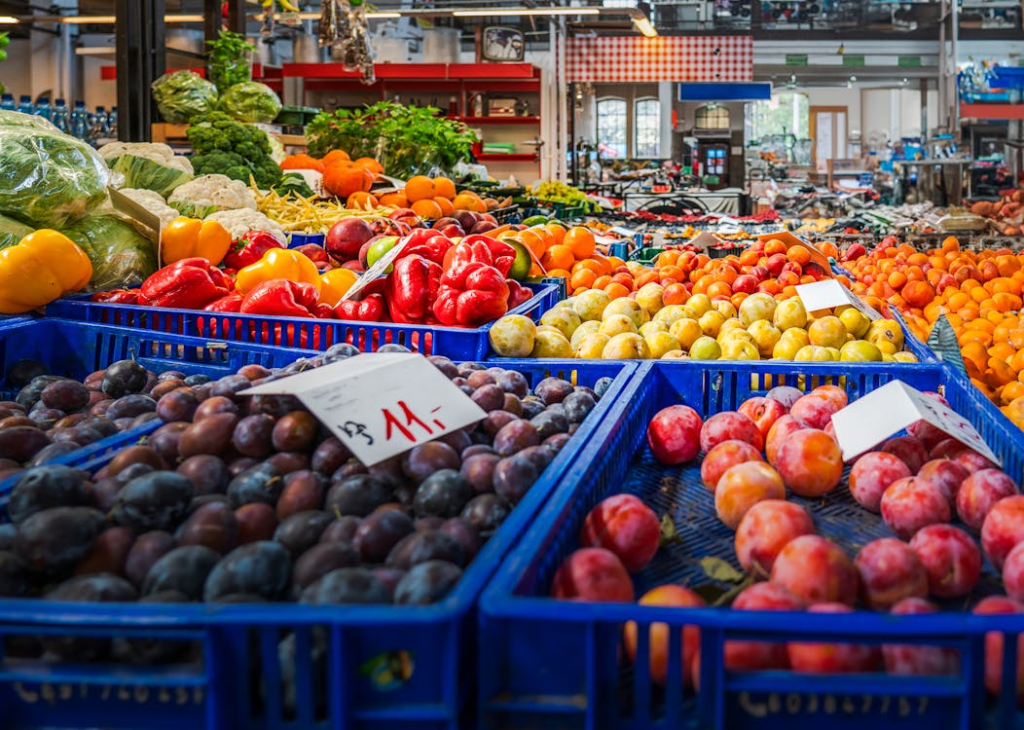
Over the past month, we’ve been exploring the highly touted Mediterranean lifestyle, which encourages us to plan our meals around grains, nuts, seeds, legumes, fruits and vegetables. We’ve already explored ancient grains; in this post, I’d like to discuss fruits and vegetables.
First of all, what exactly distinguishes a fruit from a vegetable? While most of us can easily identify an apple as a fruit or a carrot as a vegetable, do we know the scientific reason why?
The Botanical Difference
The answer is quite simple:
- Fruit: Refers to the plant structures that develop from a flower and contain seeds.
- Vegetables: Refer to other edible parts of a plant, such as the roots, leaves, and stems.
Over the years, many botanical fruits have been “recruited” into the vegetable category for culinary purposes.
Common “Vegetables” That Are Actually Fruits:
- Tomatoes: Botanically a fruit.
- Avocados: A savory, creamy fruit that is technically a large berry.
- Bell Peppers: All varieties grow from flowers and contain seeds.
- Cucumbers: Members of the gourd family.
- Zucchini/Squash: Seed-bearing structures that grow from flowers.
- Eggplant: Botanically classified as a berry.
- Okra: A seed pod from a flowering plant.
- Pumpkins: A type of winter squash.
- Olives: Stone fruits that grow on trees.
Why the Confusion?
The distinction is often culinary versus botanical. Cooking focuses on taste and texture (savory = vegetable), while science focuses on structure (seeds = fruit).
One famous exception involves the tomato. In the 1893 Supreme Court case Nix v. Hedden, John Nix argued that tomatoes should not be subject to the 10% vegetable tax imposed by the Tariff Act of 1883 because they are botanical fruits. Justice Horace Gray ruled that because tomatoes are eaten for dinner and not dessert, they should be taxed as vegetables. In other words, the law treats tomatoes according to their common culinary usage rather than their botanical inheritance.
A Journey Through Time: Ancient Varieties
Fruits and vegetables have been cultivated and enjoyed since antiquity. Let’s look at some of these historical staples:
Key Ancient Fruits
- Figs & Grapes (approx. 6000–5000 B.C.): Among the oldest cultivated fruits and central to early Mediterranean diets.
- Pomegranates (approx. 3500 B.C.): Native to Iran, they were symbols of fertility and royalty in ancient Persian culture.
- Pears & Quinces (approx. 5000 B.C.): Popular in Roman times; quinces were commonly used for preserves.
- Apples & Bananas (1445–600 B.C.): Rare heirloom varieties, such as the Court Pendu Plat apple, date back to Roman times and are still grown today.
Key Ancient Vegetables
- The Cabbage Family: Cabbage, kale, broccoli, cauliflower, and kohlrabi all derived from a single wild seaside ancestor over 4,000 years ago.
- Ancient Egyptian Crops: Lettuce, parsley, radishes, garlic, and leeks were commonly found in tombs and ancient records.
- North American Staples: The Prairie turnip was a vital root vegetable for Great Plains nations, often dried and pounded into flour.
- Ancient Watermelons: 5,000-year-old seeds found in Libya suggest early watermelons were likely smaller, paler, and less sweet than modern varieties.
Why “Eating the Rainbow” Matters
Fruits and vegetables are densely packed with essential vitamins, minerals, fiber, and disease-fighting antioxidants while remaining naturally low in calories, sodium, and fat.
Eating a “rainbow” ensures you receive a wide spectrum of phytonutrients, as different colors indicate different health benefits:
The Color Guide
| Color | Examples | Key Benefits |
|---|---|---|
| Red | Strawberries, Tomatoes, Beets | Contains lycopene; promotes heart health and reduces cancer risk. |
| Orange/Yellow | Carrots, Mangoes, Peaches | High in beta-carotene and Vitamin C; boosts immunity and eye health. |
| Green | Spinach, Kale, Kiwi | Rich in Vitamin K and folate; supports bone health and detoxification. |
| Blue/Purple | Blueberries, Eggplant, Figs | Packed with anthocyanins; supports brain health and healthy aging. |
| White/Brown | Garlic, Onions, Bananas | Contains allicin and potassium; offers antimicrobial and heart-health benefits. |
Final Thoughts
Now that we understand the history and science behind our produce, it’s easy to see why nutritionists stress building our meals around them. They aren’t just side dishes; they are the foundation of longevity.
Next time, we’ll look at ancient fruits and vegetables specifically mentioned in the Bible.


Leave a Reply